

What to Do If Your Car Is Recalled

August 28, 2025
Safety Tips

What to Do If Your Car Is Recalled

Blog
What to Do If Your Car Is Recalled
Handling Vehicle Recalls: A Safety First Approach
Share article:
4 min read

Vehicle recalls are issued to address safety issues or defects that might affect the performance or safety of your car. At Tear-A-Part: Instant Offer,we prioritize your safety and recommend immediate action when dealing with recalls. Here’s what you need to know and do if your car is part of a recall.

Steps to Take When Your Car Is Recalled:

Stay Informed:

Check VIN: Regularly check your Vehicle Identification Number (VIN) on the National Highway Traffic Safety Administration (NHTSA) website to see if your car is affected by a recall.
Official Notifications: Keep an eye out for notifications from the vehicle manufacturer through mail or email.
Understand the Issue:

Recall Details: Read the recall notice carefully to understand the nature of the defect and the risks involved.
Free Repairs: Remember that recall repairs are typically free,as they are the manufacturer’s responsibility.
Arrange for Repairs:

Contact Dealer: Schedule an appointment with an authorized dealer as soon as possible. They will have the parts and instructions necessary to fix the issue.
Alternative Transportation: Ask if the manufacturer offers rental cars or reimbursement for transportation while your car is being repaired.
Follow Up:

Repair Confirmation: Ensure that the repair has been completed to your satisfaction and that it addresses the recall issue fully.
Documentation: Keep all receipts and documents related to the recall repair for future reference.
Why Recalls Should Not Be Ignored:

Ignoring a recall can compromise your safety and that of others on the road. Recalls are serious safety notices that address potential risks. Prompt action not only ensures your vehicle is safe but also helps maintain its value and integrity.

Conclusion:

If your car is recalled,taking immediate and informed action is crucial. By staying informed,understanding the issue,arranging for repairs promptly,and following up,you can ensure that your vehicle remains safe and reliable. Always prioritize safety and do not delay addressing recall issues.
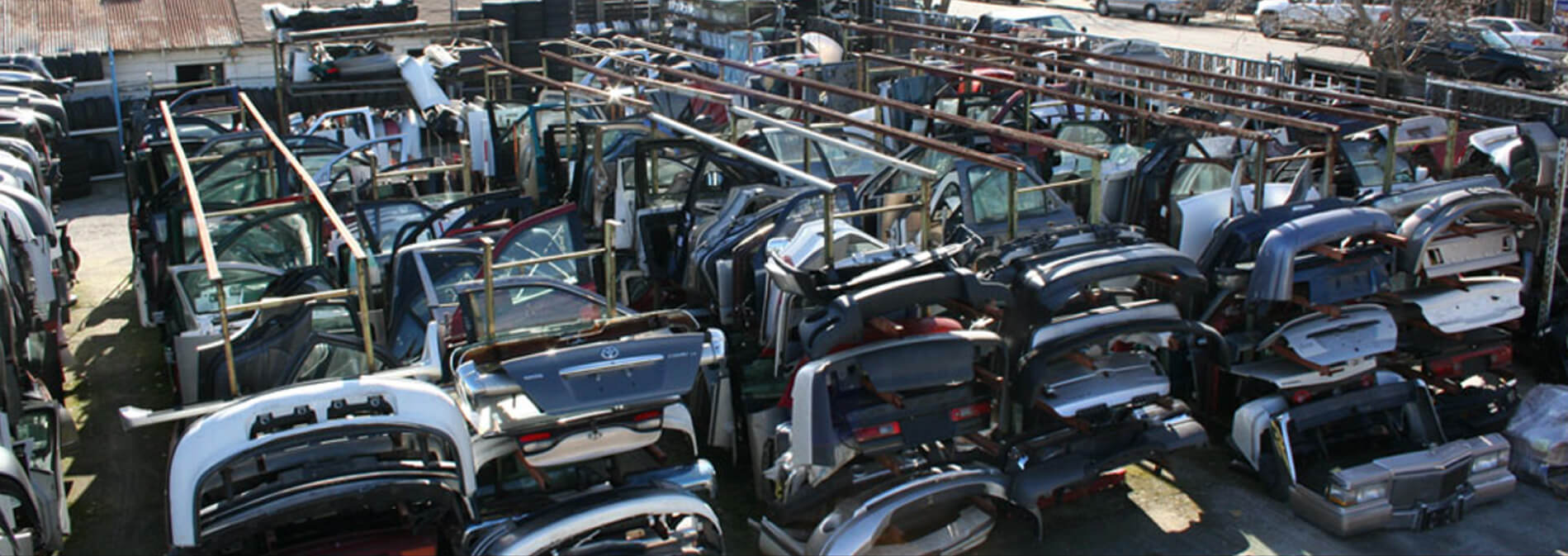
Advances in Car Safety Features for New Models

May 28, 2025
Safety Tips

Advances in Car Safety Features for New Models

Blog
Automotive Safety Insights
Advances in Car Safety Features for New Models
Share article:
6 min read

As automotive technology evolves,so do the safety features integrated into new vehicle models. At Tear-A-Part: Instant Offer,we prioritize your safety and are keen to keep you informed about the latest advancements that make driving safer than ever before.

This guide will delve into the cutting-edge safety features now standard in many new cars,highlighting how these innovations contribute to preventing accidents and protecting passengers.

Key Advances in Car Safety Features:
Automatic Emergency Braking (AEB):

AEB systems use sensors to detect potential collisions and automatically apply the brakes if the driver fails to respond in time. This technology is crucial for preventing rear-end collisions.
Adaptive Cruise Control (ACC):

ACC adjusts the speed of your car to maintain a safe following distance from vehicles ahead. This feature enhances traditional cruise control by using radar and cameras to monitor traffic flow.
Lane Departure Warning and Lane Keeping Assist:

These systems alert drivers when they begin to drift out of their lane without signaling. If no action is taken,Lane Keeping Assist can gently steer the vehicle back into the correct lane.
Blind Spot Detection:

Sensors monitor areas of the road that are difficult for a driver to see. If a vehicle is detected in the driver’s blind spot,a visual or auditory warning is issued.
Rear Cross-Traffic Alert:

This technology helps drivers reverse out of parking spaces safely by detecting vehicles approaching from either side.
Advanced Driver Assistance Systems (ADAS):

These systems encompass a range of technologies designed to assist with driving and parking functions,making them safer and more comfortable.
Pedestrian Detection:

Integrated cameras and radar systems can detect pedestrians and other objects in the vehicle’s path,providing alerts and braking automatically if necessary.
Why These Advances Matter:
Modern safety features in vehicles not only protect lives but also reduce the stress associated with driving in complex road conditions. They enhance driver awareness,reaction times,and decision-making processes.

Conclusion:
The advances in car safety features represent significant strides in automotive technology,aimed at reducing traffic accidents and enhancing the overall safety of road travel. As you consider your next vehicle purchase,these features should play a critical role in your decision-making process.